
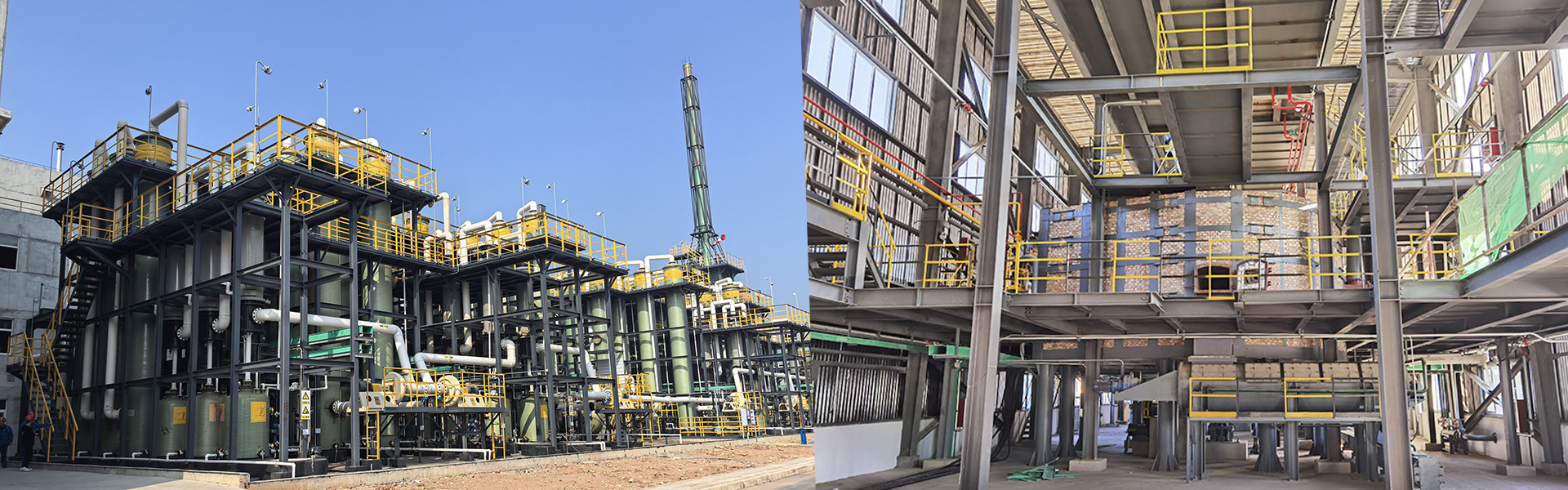
✅ Support customized capacity from 10,000 to 200,000 tons per year
✅ Modified high-alumina refractory brick masonry, service life up to 10+ years
✅ Improved combustion chamber + waste heat recovery system, energy saving 15%+ product yield increased by 2%
✅ Stable transmission structure, lower failure rate and longer continuous operation time
Since 2005,we have built more than 300 sets of potassium sulfate kilns while constantly refining our masonry and production techniques. Recent breakthroughs in energy saving and combustion control have greatly improved our equipment's efficiency and safety. We possess deep professional accumulation and a strong technological heritage in this specialized field.
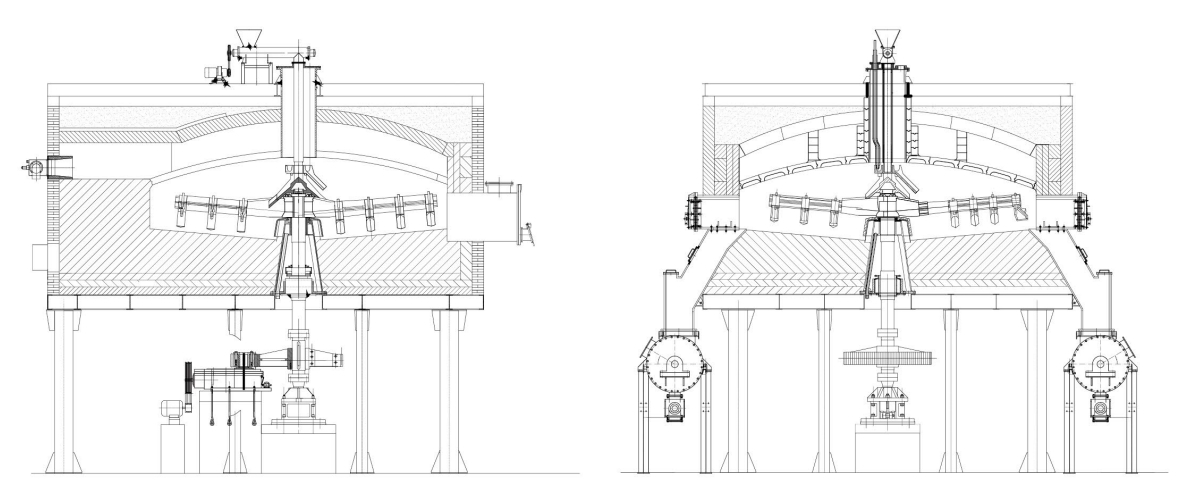
As the core carrier of potassium sulfate production, we can customize and build a full range of potassium sulfate kilns. The kiln body is fully layered with high-temperature-resistant and strong-corrosion-resistant special refractory bricks and insulation bricks, and the core reaction zone uses high-purity acid-resistant refractory materials, which can stably withstand high-temperature and strong-corrosion working conditions of 510-560℃ for a long time.
The construction process strictly follows standardized construction procedures. After masonry, a dedicated kiln drying curve is implemented, which includes 7 days of natural drying and gradient temperature rise baking to completely remove the moisture inside the masonry, avoiding cracks and deformation of the kiln body after operation. The delivered kiln is equipped with automatic temperature control and safety interlock protection systems. The maximum diameter of a single Mannheim kiln can reach 6 meters, and its service life is 40% longer than that of conventional industry products, meeting the potassium sulfate production needs of different capacities.
We provide full-link supporting equipment for potassium sulfate Furnace, covering all auxiliary devices in the entire production process: the feeding section is equipped with a speed-controlled sealed feeding system to ensure a uniform ratio of sulfuric acid and potassium chloride materials; the reaction section is matched with a frequency-conversion-driven stirring rake system, which achieves full mixing and reaction of materials at a stable speed of 1-2 r/min; the discharge end is equipped with a sealed cooling stacker to prevent high-temperature finished products from contacting air and being oxidized; the tail gas section is equipped with a hydrogen chloride recovery primary absorption tower and buffer tank, realizing tail gas discharge up to standards and by-product recycling.
All supporting equipment is designed to be compatible with the core kiln body. The transmission system adopts frequency-conversion speed control, which can flexibly adjust operating parameters according to production conditions. The waste heat recovery device can reduce production energy consumption by more than 20%. The entire supporting system can be seamlessly connected with potassium sulfate kilns of different brands and put into operation quickly without additional modification.
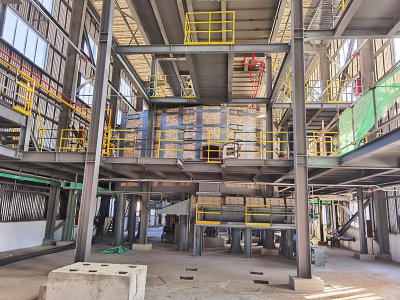
Mannheim Potassium Sulfate Reaction Furnace
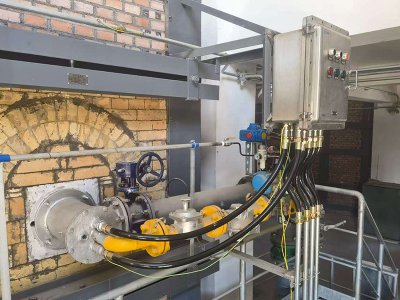
SOP kiln combustion system
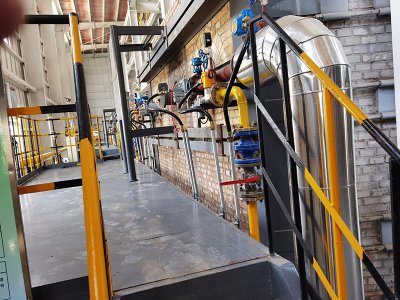
Mannheim Furnace Gas Burner
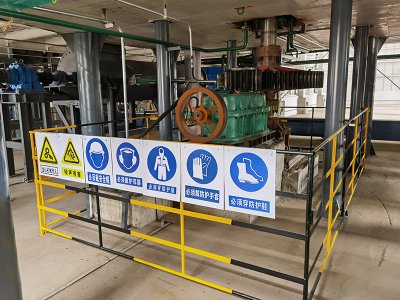
SOP Furnace Transmission System
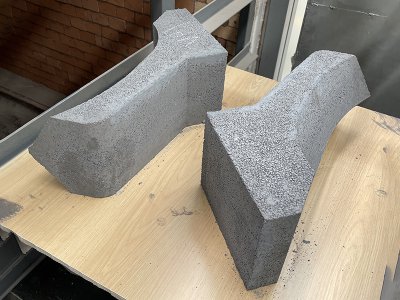
Silicon carbide rake tooth brick for SOP kiln
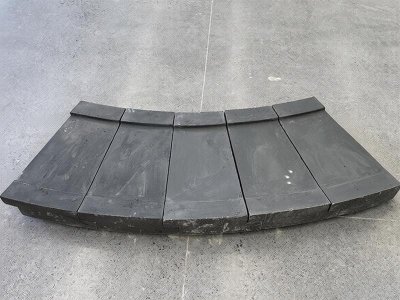
Silicon carbide hearth brick for SOP kiln
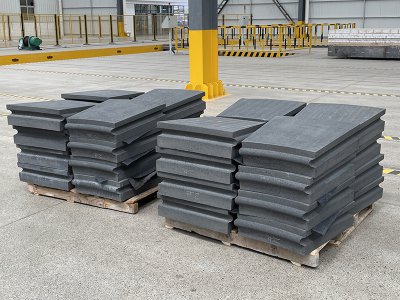
SIC dome brickfor SOP kiln
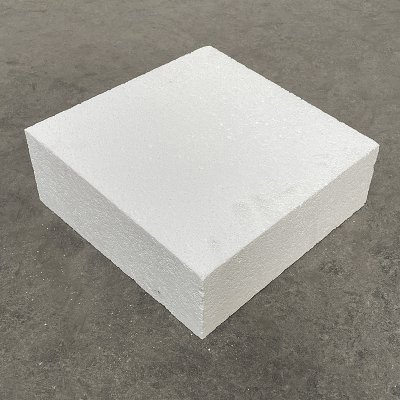
Combustion Chamber Alumina Bubble Brick for SOP kiln
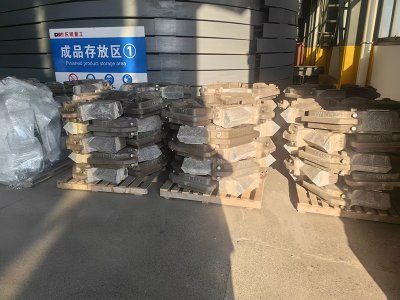
SOP kiln rake tooth
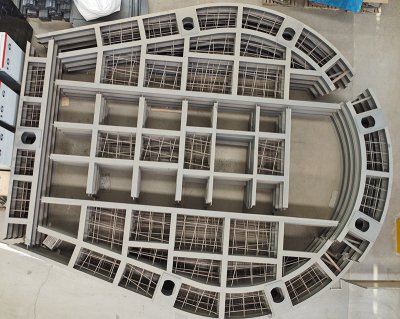
Mannheim Furnace Hearth Plate
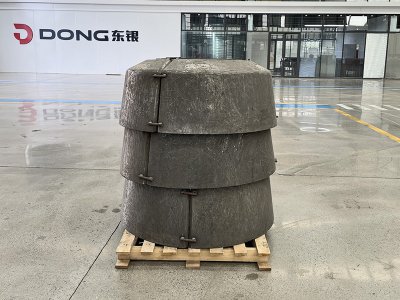
Central Protection Tile
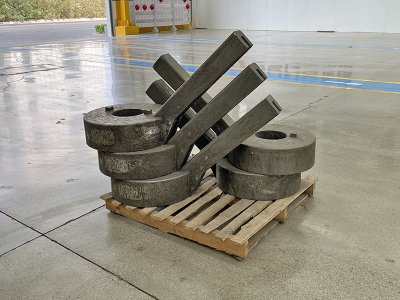
Sulfuric Acid Distributor
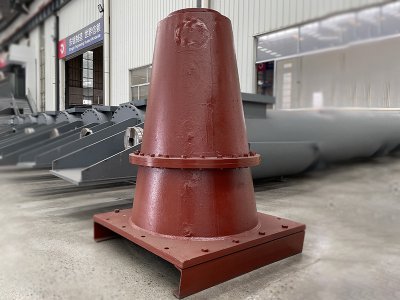
Central Cone Barrel
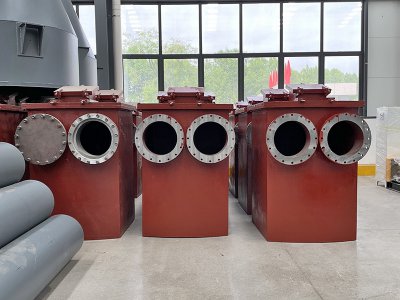
HCl Furnace Door
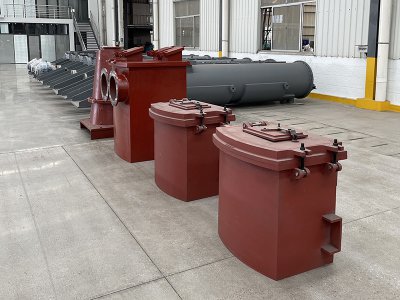
Reaction Chamber Door
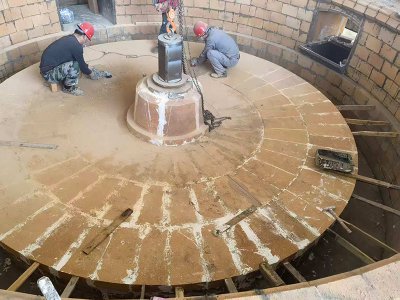
Reaction Chamber Hearth
We provide full-life-cycle hot and cold maintenance services for potassium sulfate kilns, and most damage repairs can be completed without long-term kiln shutdown. For common problems during operation such as uneven kiln heating, acid leakage from the kiln bottom, fire leakage from the kiln top, and erosion and spalling of refractory bricks, ceramic welding repair technology can be used to complete on-line repair under hot working conditions above 1200℃. The 2000℃ high temperature enables the ceramic welding repair material to form a metallurgical bond with the original refractory brick, and the bonding strength after repair is close to that of the original brick, avoiding several days of production stagnation caused by kiln shutdown and cooling.
For problems such as blockage of regenerator lattice and burnout of spray gun bricks, professional processes such as hot oxygen gunning, mechanical descaling, and flame melting removal can be used for repair. The replacement of spray gun bricks can be completed quickly at a high temperature above 900℃ without interfering with the normal operation of the production line. We also provide regular on-site kiln inspection services to detect potential damage hazards in advance, extending the overall service life of the kiln by 3-5 years.
Phone: +86 13953304590(Manager Wang)
E-mail:wangdongwei170@gamil.com
Address:Zichuan District, Zibo City, Shandong Province, China